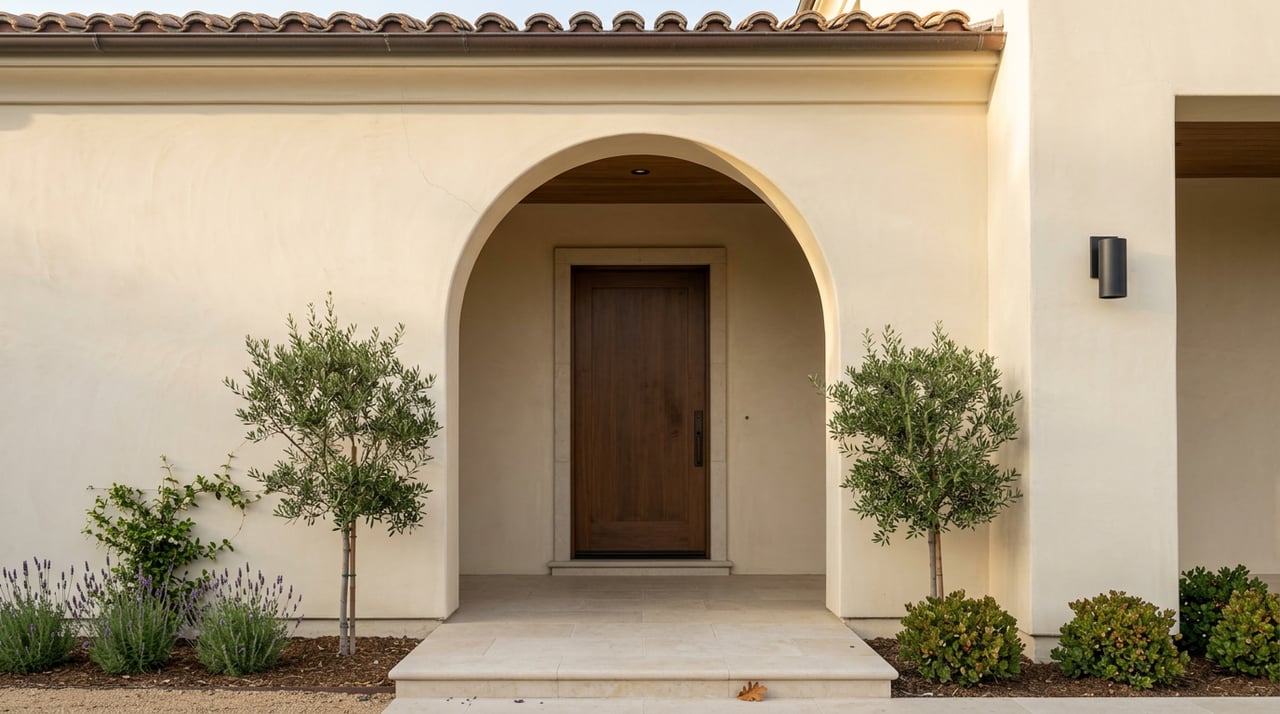
A buyer who tours a home inside Silver Creek Valley Country Club is really underwriting two things at once: the house, and a membership economy attached to it. Most sellers prepare for the first and improvise on the second. That gap is where deals stall.
The thesis worth holding: inside the gates of 95138, price is not decided by comparable sales alone. It is decided by whether the buyer's total-carry math clears once the SCVCC schedule, the master HOA obligations, and the transfer-fee mechanics land on the table. Sellers who assemble that stack before the listing goes live keep the negotiation on price. Sellers who assemble it during escrow negotiate against a moving deadline.
The disclosure the buyer will actually read first
California's resale packet is not a formality here. Under Civ. Code §4525, the seller must deliver a specific bundle to the buyer, and inside a master-planned, guard-gated community that bundle is thick. A typical Silver Creek packet runs well past a hundred pages and pulls in CC&Rs, current budget, reserve study, insurance summary, meeting minutes, and any pending assessment notices.
Buyers who have looked at more than one home in the neighborhood know exactly where to open the PDF. In order of what tends to change an offer:
- Reserve study funding percentage. A funded ratio above 70% reads as healthy; below 50% reads as a future special assessment the buyer will price in today.
- The last twelve months of board minutes. Buyers scan for the words that carry cost: litigation, gate systems, pool resurfacing, slope repair, insurance renewal.
- Insurance summary. Property, liability, earthquake, flood, and fidelity coverages are itemized under Civ. Code §5300(b)(9). California carriers have tightened wildland-adjacent underwriting; buyers now ask.
- Rental and leasing restrictions. Anything limiting tenancy under §4525(a)(9) matters to investor buyers and to owner-occupants who might relocate for work.
- Assessment enforcement policy. Required under §5310(a)(7). Lenders read this line.
None of that is Silver Creek-specific on paper. What is specific is that the master association here governs private roads, landscaped slopes, guarded entries, and shared amenities that most Bay Area buyers have never budgeted for. If the packet is clean, the buyer relaxes. If it is missing a reserve study or a current insurance certificate, the buyer's agent writes a repair-or-credit request before the general inspection is even scheduled.
Where the club sits, and why it is not in the HOA packet
Silver Creek Valley Country Club membership is a separate agreement with a separate governing entity. That is the single most misunderstood fact in this micro-market. A buyer who assumes club dues are folded into the HOA will build a bid on a number that does not exist.
The current SCVCC schedule, as published on the club's own site, sets a clear reference point for how to answer buyer questions:
| Line item | Current schedule |
|---|---|
| Monthly dues (Preview / Young Executive path) | $1,054 |
| Young Executive initiation at end of preview | $20,000, payable 50% at signup, 25% at year one, 25% at year two |
| Premier Membership initiation (current promotion) | $7,500 |
| Quarterly food and beverage minimum (Premier promo) | $240 |
| Average private-club initiation across San Jose (context, per privateIQ) | $52,000 |
The membership itself carries features a buyer will want to hear named: a Mike Strantz-designed championship golf course, a driving range and practice facility, tennis and pickleball courts, a full gym with daily classes, and Troon Prive reciprocal access at other private clubs. The Vertical program lets an equity member add parents, in-laws, grandchildren, and children over 23 to the membership at no additional cost, which is unusual and matters to multigenerational buyers. A corporate structure lets a senior officer at a San Jose-based company bring in up to four senior managers at reduced initiation.
Why does this belong in a seller's pre-listing file? Because when a buyer's agent asks "is the club mandatory," the answer inside SCVCC is nuanced, and the wrong answer gets repeated across three showings. Prepare a one-page summary that names the current initiation tier, the monthly and quarterly obligations, and the club's waitlist status as of the listing date. Attach it to the disclosure package as a courtesy document, not a legal one.
The transfer fee most sellers do not model
In private-club and master-planned communities across the Bay Area, transfer or working-capital fees at closing typically run in a band of 0.25% to 1.0% of purchase price, sometimes structured as a flat figure. On a $2.5M sale, that band is the difference between $6,250 and $25,000, paid by one side or the other depending on how the contract is written.
Silver Creek sellers who have not confirmed the current figure with the association and, where applicable, the club, are negotiating blind. The right move is to pull the exact number from the management company before pricing the listing, decide up front whether the seller or buyer will carry it, and price the offer instruction accordingly. Comparable gated communities in the county, including The Ranch on Silver Creek and Almaden Golf & Country Club, have their own fee structures, and buyers cross-shopping those addresses will know the ranges.
There is a second, quieter fee: the resale document fee itself. California Civ. Code §4525 caps what an association can charge for producing the packet, but the delivery timeline matters more than the fee. If the management company needs ten business days, that constrains when the listing can accept an offer with a tight contingency period. Order the packet before the sign goes in the ground.
A pre-listing sequence that removes the mid-escrow surprise
The friction is not the paperwork. The friction is when the paperwork arrives. Sellers who assemble the stack in this order tend to close on their original terms:
- Two to three weeks before photography, order the full §4525 resale packet from the management company. Confirm the reserve study is current under Civ. Code §5550, which requires an update at least every three years with annual review.
- In parallel, request a written summary from SCVCC of the current membership options, initiation tiers, monthly and quarterly obligations, waitlist status, and whether the buyer will be required to join or offered an option to. The answer changes by season.
- Pull a fresh statement of any transfer, working-capital, or document-transfer fees the association and the club charge at closing. Put the numbers in the listing agent's file, not in a text thread.
- Read the last twelve months of board minutes yourself. If there is language about a pending assessment, an insurance renewal, or a large capital project, prepare a plain-English note explaining status. Buyers reward transparency; they punish surprise.
- Reconcile any home improvement history with San Jose permit records. Unpermitted work at this price point does not kill deals, but undisclosed unpermitted work does. The Seller Property Questionnaire is the place to be direct.
- If the home has been a rental at any point, confirm whether current CC&R rental or lease restrictions were followed. Under §4525(a)(9), any prohibition or restriction must be disclosed in writing.
Sellers who complete steps one through three before the listing hits the market shorten the buyer's contingency period by days, sometimes a full week. In a market where the buyer's rate lock has an expiration, days matter.
Three questions sellers ask in the first meeting
If a buyer does not want to join the club, does the sale still work? It depends on the current SCVCC membership structure at the time of listing and on how the home was originally sold. Confirm the answer in writing with the club before you price the home. Never repeat what a neighbor said in 2019.
Should we resurface the pool or replace the roof before listing? That is a preparation question, not a disclosure question. The disclosure question is whether the reserve study anticipates similar work at the master level in the next three to five years. If it does, and the packet is transparent about it, buyer resistance drops.
Who pays the transfer fee? Whoever the contract says pays it. The point is to decide before the offer arrives, so the response to a buyer's request for credits does not become the moment you learn the number.
Selling in Silver Creek is not harder than selling elsewhere in Silicon Valley. It is different, and the difference lives in a stack of documents most sellers only glance at. Assemble the stack first, price the home second, and the negotiation stays on the ground you chose.
If you are weighing a Silver Creek listing this year and want a calm, prepared walk through the disclosure and fee stack before any decisions on price, Sunil John with Coldwell Banker Realty in Saratoga would be glad to sit down. Let's Connect.